

Planar IEM Vs Dynamic IEM
In contrast to the designs with moving coils which use a voice coil to move the diaphragm, planar magnetic headphones use an entire flat diaphragm which is charged when energized. This ensures superior image quality and clarity.
Some models, such as the Audeze LCD-4 or HiFiMAN Susvara are also great at capturing rapid transients.
Cost
The main difference between a planar IEM and dynamic IEM is the cost. Planar magnetic drivers are more complicated than traditional dynamic drivers, and have an elongated diaphragm and greater surface area, are usually more expensive. They're also more efficient and provide superior clarity at high frequencies. This means they are able to easily scale up to higher-resolution sources like Hi-Fi players and Amps. This makes them a great option for music lovers with a huge libraries.
A dynamic driver however utilizes an oscillating coil to produce sound waves. This type of device is less costly to make, but it can cause distortion in high volumes. It's important to consider your budget and personal preferences when choosing an IEM.
Many companies offer IEMs with an asymmetrical dynamic/planar configuration. This approach provides an unbalanced sound signature that can satisfy listeners with a wide range of preferences. It creates a full-spectrum soundstage and offers stunning imaging. The Seeaudio Rinko and HiFiMAN Sundara are among the top examples. These IEMs combine the advantages of both technologies for powerful sound that produces an expansive picture. The IEMs also feature an impressive bass and midrange. They are also comfortable for long listening sessions and easy to fit into the ear. They require a lot more power to drive, which means you may need to utilize an amplifier.
Bass Response
Generally speaking, planar headphones tend to have a more precise bass response and less distortion than their dynamic counterparts. They also have more extension capabilities for lower frequencies. Modern high-end dynamic speakers sound more powerful and have a sound signature that some listeners enjoy.
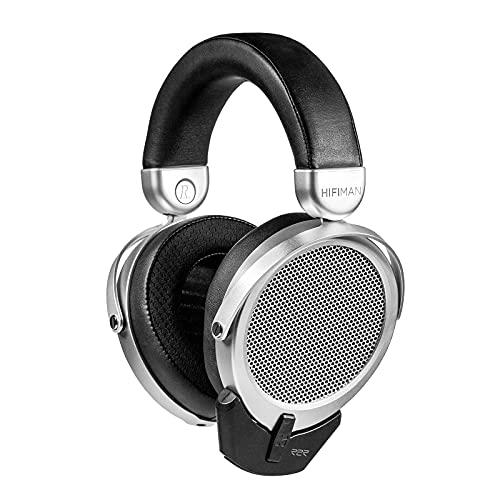
While both driver types produce great bass, the difference is that a dynamic driver creates it by vibrating diaphragm and voice coil together, whereas a planar magnetic driver uses conductors that run directly on the flat surface of the diaphragm. This lets the diaphragm respond to magnetic fields in a similar way and avoids vibration issues that plague dynamic drivers.
In addition, a planar magnetic headphone's diaphragm is typically much larger than that of a dynamic driver's. This is an important reason for their superior performance, since it allows them to produce more bass with less distortion. They have fast response times which makes them perfect for reproducing fast-moving sounds and transients.
They are also heavier and require more power to move their large diaphragms. planar magnetic iem are also heavier and require more power to move their large diaphragms. These factors can limit availability, especially in IEMs. Numerous companies have developed low-cost IEMs made of planar magnetic drivers. They include the Seeaudio Rinko, and LETSHOUER Z12.
Another benefit of the planar magnetic driver is its capability to create a large soundstage. It can effortlessly fill your ears with a deep and full-bodied experience. Certain models provide a feeling that music is being played in a larger space.
Frequency Response
The flat diaphragm in planar drivers allows them to reproduce a larger frequency range than dynamic drivers. They offer a higher level of clarity and fidelity, particularly in the mids and highs. They also have less distortion, which can cause the sound to be different from the original recording.
Dynamic drivers typically use an electronic voice coil that is attached to a cone-shaped diaphragm which vibrates when energized by an electrical signal. This can cause distortion in the driver and can affect the overall sound quality. However these drivers employ an conductive material that is placed on the flat surface of the diaphragm and responds to an electrical signal in a more uniform way.
These differences make planar IEMs more precise and reliable, which results in a more enjoyable listening experience. This is one of the reasons that many audiophiles prefer planar IEMs.
Another benefit of planar driver is their ability to produce a natural soundstage. The flat driver can create an omnidirectional wavefront, rather than a spherical focused one. This creates an immersive soundstage that can make listeners feel as if they are in an recording studio or concert hall.
The diaphragm flat of planar drivers is also more rigid than the cone-shaped diaphragm that is found in dynamic drivers, which helps reduce vibrations and produces an even more linear response. Audiophiles can listen to music with maximum clarity and detail. It is important to note that planar drivers are generally more expensive than the ones that are used in IEMs and headphones equipped with dynamic drivers. They are also bigger and require more power, making them less mobile than headphones with dynamic drivers.
Soundstage
The majority of headphones and IEMs feature dynamic drivers, which uses a cone to move in order to produce sound waves. Planar drivers are a new approach to audio engineering. They utilize a thin, flat diaphragm which is suspended in a magnetic force and then reacts to an electrical signal. They create a bigger soundstage and are more precise in reproducing audio signals than traditional dynamic drivers. They can be expensive and not widely available in IEMs.
In addition to offering high-quality sound, planar drivers are also more comfortable to wear. They can be adapted to fit comfortably into your ear. A variety of tips and shapes are available to ensure a snug fit. They also have a rapid response time, which means that they can reproduce transients and other fast-moving sounds with precision.
Another advantage of planar IEMs is their generally better bass response and extension capabilities. This is because the diaphragm is a lot smaller than the typical dynamic driver. They also have less roll-off at the lower end of the spectrum of frequencies, making them more suitable for listening to heavy and rock music.
If you're looking for a budget-friendly pair of planar IEMs, check out the LETSHUOER Z12 It is known for its detailed and accurate sound reproduction, smooth treble and a tight bass. If you're looking for more premium option, consider the Muse HiFi Power Planar, which has gained some internet acclaim for its robust sound distinctive. It features a large soundstage, with crisp treble, clear midrange and deep, rumbled lows. It requires an amplifier or DAC with a dedicated circuit to get the best possible audio quality from this IEM.